A year ago breaking from the tradition that books are to be held and smelled, I dived into a new medium that changed my life. Now, 59 audiobooks later, this decision stands as one of my most transformative experiences as an adult.
As a child in Eastern Europe, my dyslexia went undiagnosed. It's a mild form I have – one that doesn't outright prevent reading or writing, but it's been subtly influencing me in ways I used to think as just being 'me.' Grammar, for example, has been a constant nemesis. Ever since those early days of school essays, constructing comprehensive texts as a continios thought was a challenge. When it came to learning new languages, the battle intensified. I had to memorize words by their sound, as my brain often rearranged the letters.
To give an example, for me, it's "b", "e", "a", "u", "t", "i", "f", "u", "l" and I can't write down beautiful.
Despite these challenges, books remained a passion, albeit an arduous one. Reading often led to fatigue or sleep, not out of disinterest, but due to the mental exertion required. This battle with books was a constant in my life, yet it was a challenge I learned to navigate, albeit not without difficulty.
In my professional life, I encountered a different scenario. Engaging with numerous white papers and dense texts, I found these shorter documents less daunting. Yet, the longer texts, the novels, and comprehensive works, continued to be an uphill task. I did read books, but the experience lacked the ease and joy so often spoken about by others.
Then came my discovery of podcasts, starting with "Serial - This American Life." They offered a way to absorb information without the need for intense concentration required by traditional reading. Then, the podcast landscape exploded. the depth and long-form insight that I craved began to wane, replaced by shorter, more reactionary content. Entertaining, yes, but lacking the depth and exploration that a well-crafted book can offer.
A turning point arrived with a message from my sister, hinting at our shared signs of dyslexia. This revelation prompted me to explore this condition further, leading to a profound diagnosis: I had been living with mild dyslexia all my life.
Understanding dyslexia reshaped my perspective on many challenges I faced, both during my schooling and in my career. It allowed me to reframe these challenges not as personal failings, but as innate characteristics of my brain's wiring.
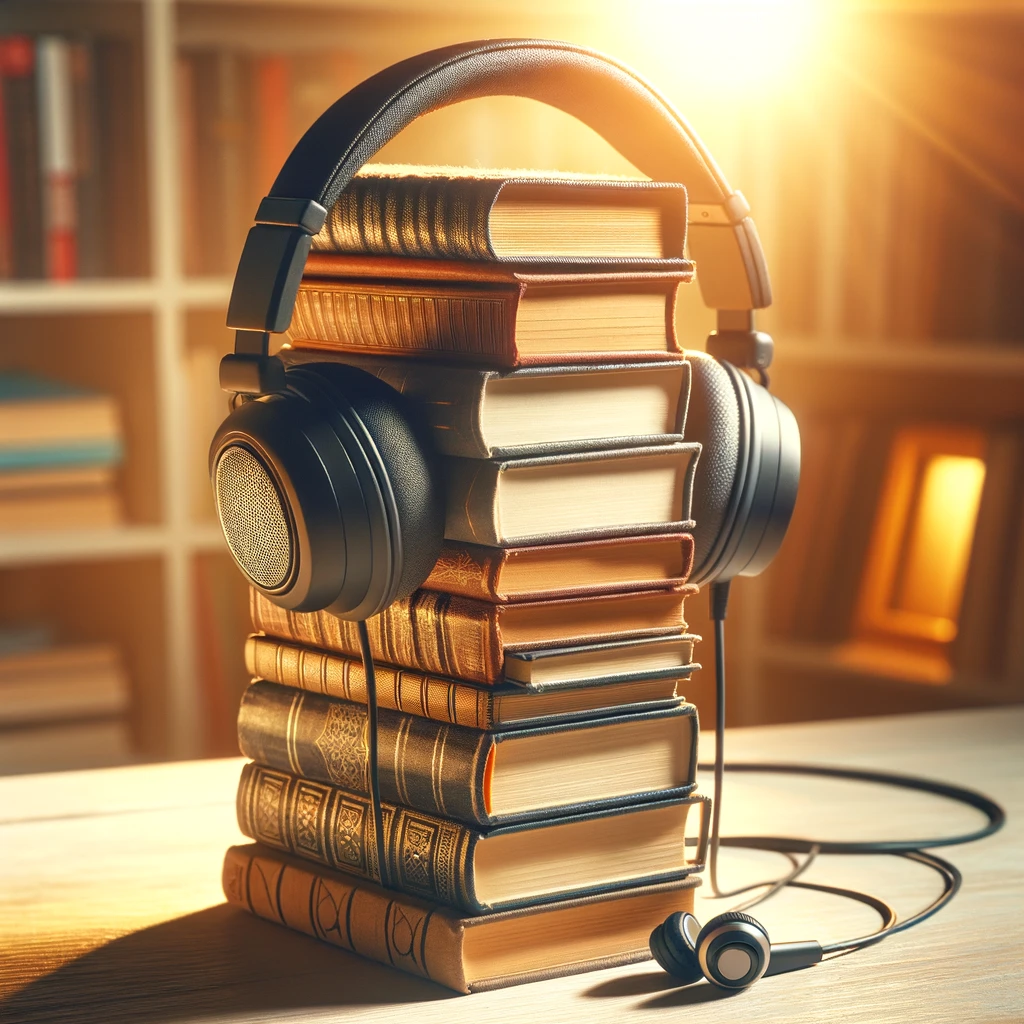
Encouraged by a friend, I decided to give audiobooks a try, and it was a revelation. "Red Rising," long untouched on my shelf, became my first audiobook adventure. What previously seemed an insurmountable task – delving into a sprawling sci-fi saga – became an engaging and accessible experience. I finished the book in just five days, a previously unthinkable achievement.
This newfound passion for audiobooks led me down a path of discovery. I started exploring various genres, from biographies to self-improvement books, turning to communities like Reddit for recommendations. Audiobooks not only replaced my podcast habit but also filled my commutes and quiet moments with rich, diverse narratives. Here is my reading list from 2023.
Reflecting on this journey, I realize how embracing audiobooks has been more than just adapting to dyslexia; it's been about rediscovering the joy of stories and learning in a format that resonates with me. It underscores the importance of finding alternative methods to access knowledge and the joy of exploration, regardless of the challenges. For anyone struggling with reading, whether due to dyslexia or other reasons, I encourage you to explore audiobooks. They might just transform your world as they did mine, opening doors to new worlds and perspectives that were once seemingly out of reach.